

 Laårk Boshof
So, What’s the Deal With Visceral Fat?
Let’s talk about a type of fat that isn’t just about how your jeans fit—visceral fat. This is the kind of fat that wraps around your inner organs like your liver, pancreas, and intestines. Unlike the fat you can pinch on your belly or arms, visceral fat is deeper and more dangerous. It’s been linked to serious health risks like diabetes, heart disease, and some types of cancer.
When I first heard about visceral fat, I thought—”Okay, but how do I even know if I have it?” And that’s kind of the tricky part. You can’t really see or touch visceral fat. But if you’re carrying excess weight around your belly, especially if you have a more “apple-shaped” body, you might be more at risk.
Here’s the good news: lifestyle changes can help reduce it. And one lifestyle hack that’s both simple and kind of cozy? Drinking the right kind of tea.
Now I know, tea alone won’t flatten your tummy (wouldn’t that be great?), but certain teas have been shown to support metabolism and may help reduce visceral fat—with other healthy habits, of course.
The #1 Tea for Reducing Visceral Fat
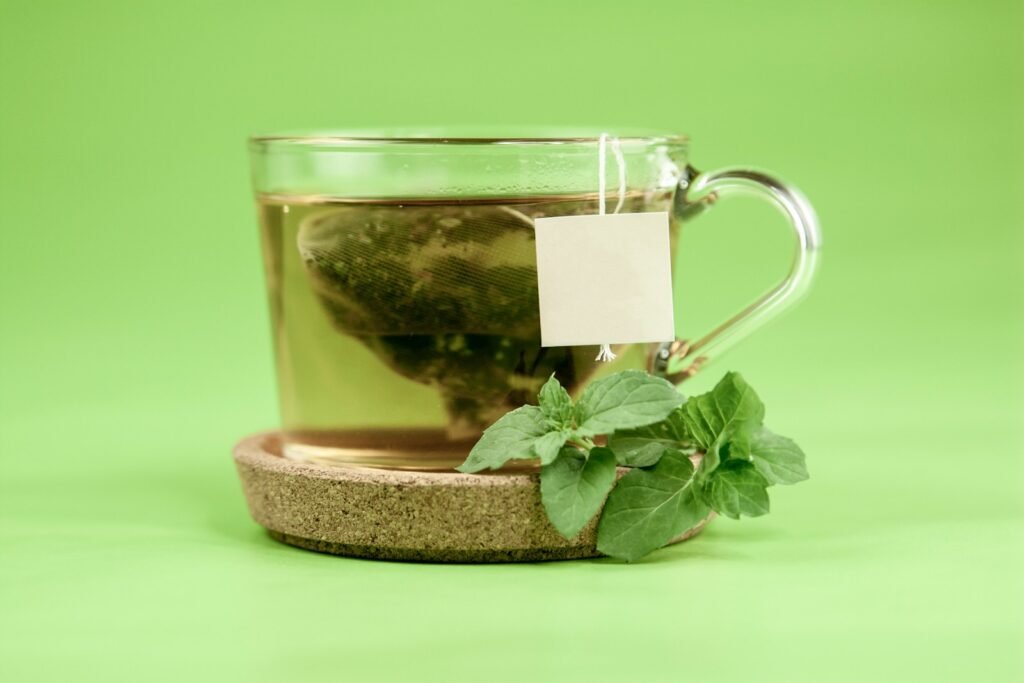
Alright, drumroll please… the best tea to help tackle visceral fat is green tea. Yep, something that’s probably already in your pantry. What makes green tea a superstar in this category? It’s packed with catechins, particularly one called EGCG (epigallocatechin gallate), which has been studied for its fat-burning properties.
Now, you might be wondering, “Do I have to drink gallons of it?” Not at all. Research suggests that just two to three cups of green tea a day could support fat loss when combined with a healthy diet and regular exercise.
Here’s how green tea helps reduce visceral fat:
- Boosts metabolism: It gives your fat-burning engine a kickstart.
- Enhances fat oxidation: That’s science speak for helping your body burn fat more effectively.
- Regulates blood sugar: It may help keep insulin levels more stable, which plays a role in storing less fat around your belly.
Fun fact? In a 12-week study, people who drank green tea lost more weight and belly fat than those who didn’t—even when their diets were the same.

Photo courtesy of Pexels.com
Other Teas That Give Visceral Fat a Run for Its Money
Green tea may be the MVP here, but it’s not the only teammate worth cheering on. If green tea isn’t your jam (pun intended), here are a few others to sip your way to better health:
1. Oolong Tea
This traditional Chinese tea is partially fermented, putting it somewhere between green and black tea. It’s been found to improve fat burning and even reduce belly fat in some small studies. Plus, it has a nice, rich flavor that makes it a comforting cup.
2. White Tea
White tea has a delicate taste and is less processed, so it keeps more of its antioxidants. Some research shows it may help inhibit the formation of new fat cells while boosting lipolysis (breaking down existing fat). Not too shabby for a drink that looks like warm water!
3. Black Tea
Don’t overlook the classic. Black tea is high in polyphenols that can reduce calorie intake and improve good gut bacteria—which is connected to fat storage and inflammation.
4. Herbal Teas (Like Peppermint and Ginger)
While these don’t have the caffeine or catechins of green tea, they still play a supportive role. Peppermint can soothe digestion and reduce bloating, while ginger tea helps control appetite and supports metabolism.
I once swapped out my mid-afternoon coffee for oolong tea, and not only did I dodge the midday crash, but I also felt less bloated—small changes, big difference.
Photo courtesy of Pexels.com
Adding Tea to Your Daily Routine
Wondering how to actually make this tea habit stick? Here are a few realistic tips:
- Start your day with a cup of green tea: It’s a great caffeine boost that’s gentler than coffee.
- Switch your sugary drinks for iced tea: Unsweetened green or white tea over ice is refreshing and waistline-friendly.
- Wind down with herbal tea at night: Think peppermint or chamomile to help with digestion and stress.
And before you go overboard, remember: moderation is key. More isn’t always better, especially with caffeinated teas. Stick to two to three cups of green or oolong tea per day and see how your body responds.
Also, pair your tea habit with other core habits: a balanced diet, regular physical activity, and quality sleep. That’s your winning formula for tackling visceral fat.
So, What’s Your Next Step?
If you’ve been on the hunt for a natural, easy way to support your weight loss journey, tea might just be the daily ritual you didn’t know you needed. It’s not magic, but it’s a step in the right direction—and sometimes, that’s exactly what you need to start making lasting changes.
So go ahead—brew yourself a cup of green tea, take a deep breath, and toast to better health. Something as simple as what you sip can be one small change toward a healthier you.
Feeling inspired? Start your new tea ritual today and let us know—what’s your favorite brew?